

Compress Image Free Online: Optimize Your Images Seamlessly
In today’s digital landscape, where speed and efficiency are paramount, the need to compress images has never been more critical. Whether you are a web developer, content creator, or someone who loves sharing photographs online, understanding how to compress image files can enhance the user experience and improve overall website performance. Fortunately, numerous free online tools, such as compress image free online https://easy-converter.com/en/tools/images/image-compress, make this process accessible and straightforward.
Why Image Compression Matters
When you upload an image to a website without compression, it often retains its original size, which can be substantial. Large images can significantly slow down your website, causing frustration for users and potentially leading to higher bounce rates. Furthermore, search engines like Google consider load times as a ranking factor, meaning that unoptimized images could hurt your site’s visibility. Image compression is the process that reduces the file size of images while maintaining their quality—it’s a crucial step in web optimization.
Benefits of Compressing Images
Compressing images offers multiple benefits, making it a critical practice for anyone working with digital images. Some of the key advantages include:
- Faster Load Times: Smaller images load more quickly, improving the overall speed of your website.
- Improved User Experience: Users are more likely to stay on your site if images load quickly and do not hinder navigation.
- Reduced Storage Costs: Smaller images take up less space on your server, which can save on storage costs, especially for websites that host numerous images.
- Increased SEO Rankings: Search engines favor faster-loading pages, which can lead to better SEO performance.
Types of Image Compression
When compressing images, there are two primary types of compression to consider: lossless and lossy. Understanding these can help you choose the right method for your needs.
Lossless Compression
Lossless compression reduces the file size without losing any image quality. This method is ideal for images where maintaining the highest quality is essential, such as professional photographs or logos. Although lossless compression will not reduce file sizes as dramatically as lossy compression, it ensures that the image is preserved in its original state.

Lossy Compression
Lossy compression, on the other hand, reduces image quality to achieve smaller file sizes. Depending on the compression level, this method can significantly diminish the image’s visual fidelity, but it often results in considerable space savings. Lossy compression is suitable for web images where speed is more critical than perfect quality, such as banners and thumbnails.
How to Compress Images Online
The process of compressing images online is relatively simple and does not necessitate advanced tech skills. Here’s a step-by-step guide to compressing images using a free online tool:
Step 1: Choose a Compression Tool
Begin by selecting a reliable online image compression tool. There are numerous options available, such as the popular Easy Converter. Tools like this typically allow for batch processing, meaning you can compress multiple images simultaneously.
Step 2: Upload Your Images
Once you have chosen a tool, upload the images you want to compress. Most tools will allow you to drag and drop files into the upload area, making this process quick and easy.
Step 3: Select Compression Settings
Depending on the tool, you may have options to choose between lossless or lossy compression. Select your preferred method based on the type of images you are compressing and the desired output quality.
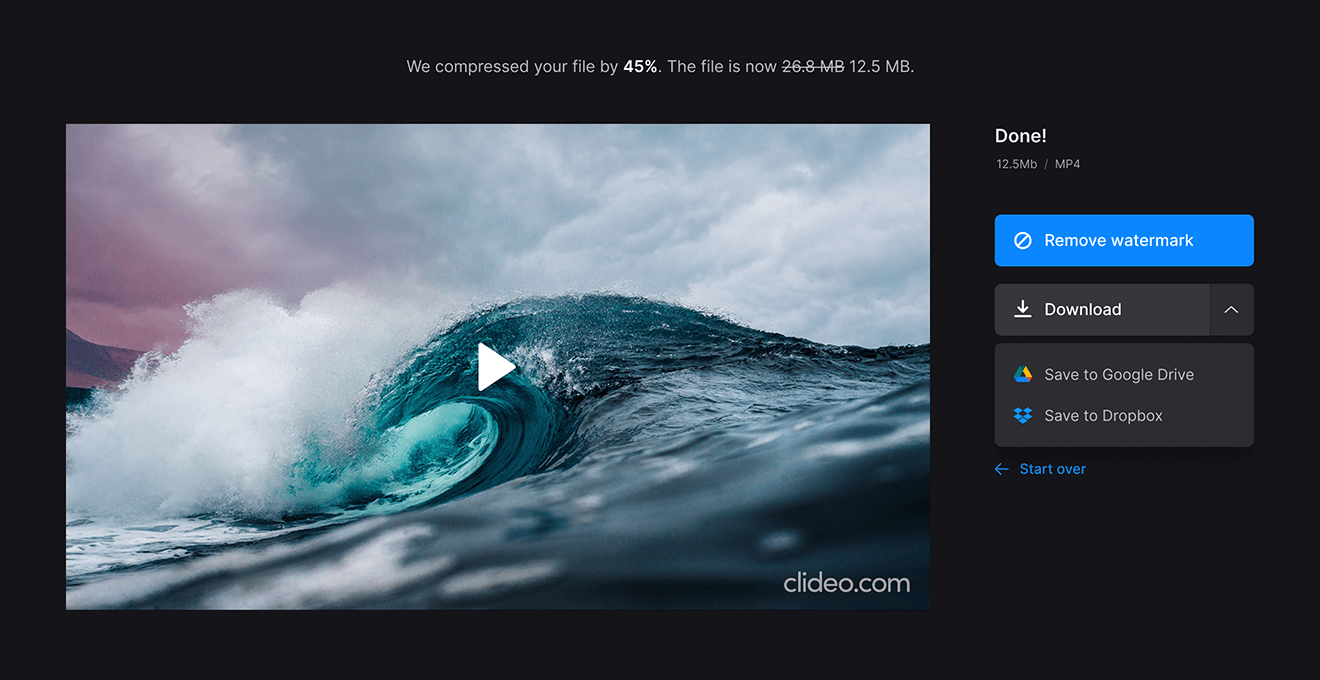
Step 4: Compress the Images
After configuring the settings, click the ‘Compress’ button. The tool will process the images, applying the selected compression method.
Step 5: Download the Compressed Images
Once the process is complete, you will typically be presented with a download link or button to retrieve your compressed images. Ensure to check the file sizes and image quality before replacing the original files.
Tips for Effective Image Compression
While online tools make compressing images easy, there are additional strategies you can use to ensure optimal results:
- Use the Right Format: Choose the appropriate format based on your needs. JPEG is best for photos, PNG is ideal for images with text or transparency, and GIFs are suitable for simple animations.
- Adjust Dimensions: Consider resizing images to the dimensions needed for your website. There’s no need to upload an image that’s 3000 pixels wide if it will be displayed at 600 pixels.
- Experiment with Compression Levels: Test different levels of compression to find a balance between quality and file size. Each image may react differently, so it’s worth doing some trial and error.
- Keep Originals: Always keep copies of your original images in case you need to revert or adjust compression settings later.
Conclusion
Compressing images is an essential practice for anyone involved in web design, content creation, or simply sharing digital photos. By utilizing free online tools like Easy Converter, you can easily reduce image sizes, improve website speed, and enhance user engagement. Embrace the benefits of image compression and take your online presence to the next level!